
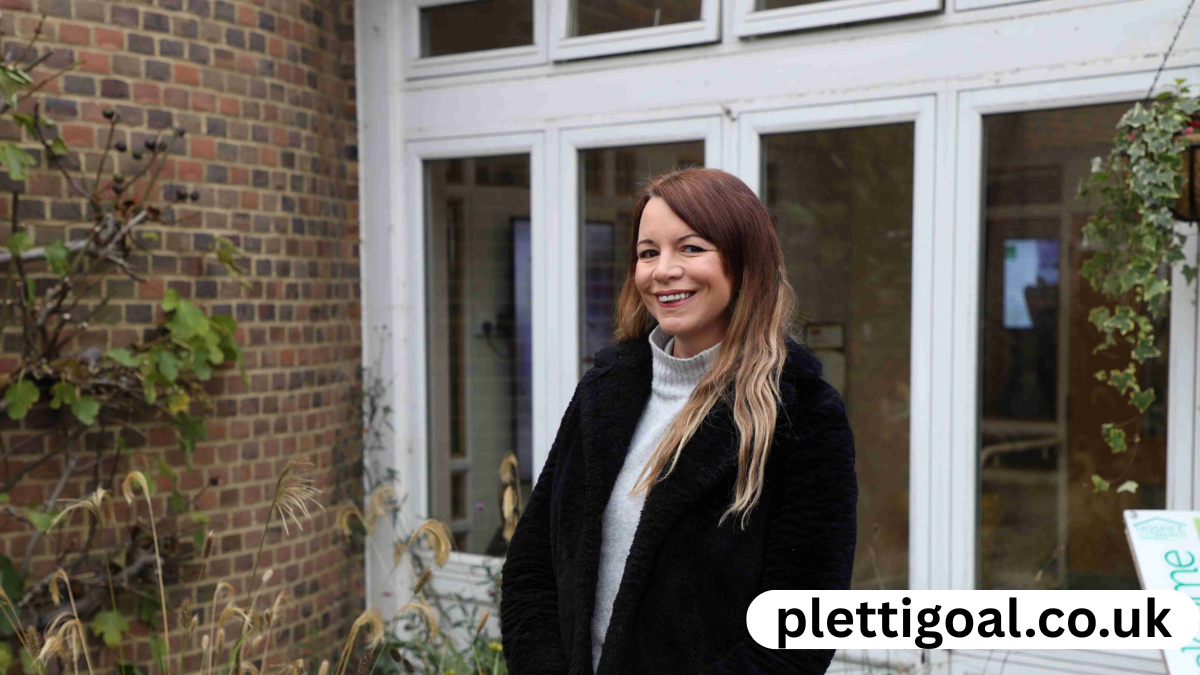
Elizabeth rizzini disability is widely recognized for her role as a BBC Weather presenter, where she delivers forecasts with professionalism and clarity to audiences across the United Kingdom. Over time, she has become a familiar face on television, leading many viewers to develop curiosity not only about her career but also about her personal life. One recurring search trend online is the phrase “Elizabeth Rizzini disability,” which has sparked discussions, assumptions, and questions across social media platforms and search engines.
However, it is important to understand that public curiosity does not always reflect verified information. In the case of Elizabeth Rizzini, there is no confirmed or officially stated evidence suggesting that she has any disability. Much of the online attention appears to come from general curiosity about her health, appearance, or personal background rather than factual reporting. This makes it essential to separate verified facts from speculation and to approach such topics with respect and responsibility.
Another reason this keyword gains attention is the modern digital environment, where search engines often amplify frequently typed phrases regardless of their accuracy. When users repeatedly search a term like “disability,” algorithms may push it higher in visibility, even if there is no factual basis behind it. This creates a cycle where curiosity feeds more curiosity, often without reliable sources confirming the topic.
Who Is Elizabeth rizzini disability? Career, Background, and Public Image
Elizabeth rizzini disability has built a respected career as a meteorologist and television presenter. Working with the BBC Weather team, she is known for presenting forecasts in a calm, professional, and engaging manner. Her role involves translating complex weather data into accessible information for viewers, making her an important part of daily broadcasting in the UK. Her work reflects both scientific knowledge and communication skills, which have contributed to her strong reputation in the media industry Elizabeth rizzini disability.
Beyond her professional responsibilities, Elizabeth rizzini disability has also become a recognizable public figure due to her consistent on-screen presence. Like many broadcasters, her visibility naturally attracts public attention, and audiences often become interested in both her professional achievements and personal life. This is a common phenomenon with television personalities, where familiarity leads to curiosity.
Despite this attention, Elizabeth rizzini disability has maintained a professional boundary between her public career and private life. There is no widely verified information suggesting any disability or serious health condition, and she has not made public statements indicating otherwise. Most of what is known about her remains centered around her broadcasting work rather than personal medical details.
Understanding the Keyword “Elizabeth Rizzini Disability” and Online Speculation
The phrase “Elizabeth Rizzini disability” is an example of how internet search behavior can shape narratives that may not reflect reality. In many cases, such keywords emerge because users are curious about a public figure’s health or physical condition, often influenced by social media discussions or misleading posts. However, curiosity alone does not establish truth, and it is important to evaluate whether any credible information supports such claims.
In Rizzini’s case, there is no verified evidence from reputable news sources, official BBC profiles, or interviews confirming any disability. Instead, the keyword appears to be driven largely by speculation or misinterpretation. This highlights a broader issue in digital media, where repeated searches can create the illusion of legitimacy even when no factual basis exists.
Search engines and algorithms tend to prioritize trending phrases, which can unintentionally amplify misinformation. Once a topic gains traction, it may appear in suggested searches or related queries, further increasing visibility. This cycle often leads users to assume there is significant information available, even when there is not. Understanding this mechanism is crucial for responsible content consumption.
Privacy, Ethics, and Responsible Discussion of Public Figures
When discussing topics like health or disability in relation to public figures, ethical considerations become extremely important. While individuals like Elizabeth Rizzini are visible due to their professional roles, they are still entitled to personal privacy. Not every aspect of a person’s life is meant for public consumption, especially medical or health-related information.
Ethically, it is important to avoid making assumptions about someone’s condition without confirmation. Spreading or repeating unverified claims can contribute to misinformation and may affect the individual’s personal and professional life. Responsible media consumption involves relying on credible sources such as official statements, verified interviews, or reputable news outlets.
In broadcasting careers, professionals are typically judged by their performance and expertise rather than personal health matters. Unless a public figure chooses to disclose private information themselves, it is respectful to focus on their work and contributions. In the case of Rizzini, her career achievements as a weather presenter remain the most reliable and relevant information available.
Disability Representation in Media and Why Accuracy Matters
Disability representation in media is an important topic, as it highlights inclusion, diversity, and accessibility in professional environments. Many broadcasters and journalists openly discuss their disabilities to raise awareness and promote understanding. These conversations are valuable when they are based on truth and personal disclosure.
However, it is equally important not to assign or assume disability status to individuals without confirmation. Doing so can unintentionally misrepresent them and shift attention away from meaningful discussions about real disability representation. Inaccurate labeling can also contribute to stigma rather than awareness.
In modern journalism and broadcasting, inclusivity has improved significantly, with many organizations actively supporting accessibility and equal opportunities. When public figures choose to share their experiences, it can help inspire others and promote positive change. But this should always come from the individual’s own voice rather than external speculation.
Conclusion
The search term “Elizabeth Rizzini disability” reflects public curiosity more than confirmed fact. As of available and credible information, there is no evidence that Elizabeth Rizzini has a disability or has publicly discussed one. Much of the online discussion appears to stem from speculation amplified by search trends and social media behavior rather than verified reporting.
This topic highlights the importance of responsible information sharing in the digital age. Public figures deserve privacy, especially regarding personal health, and audiences benefit from focusing on factual, respectful, and verified information. Understanding the difference between curiosity and confirmation helps create a healthier online environment.
You read: keiko fujimoto
