


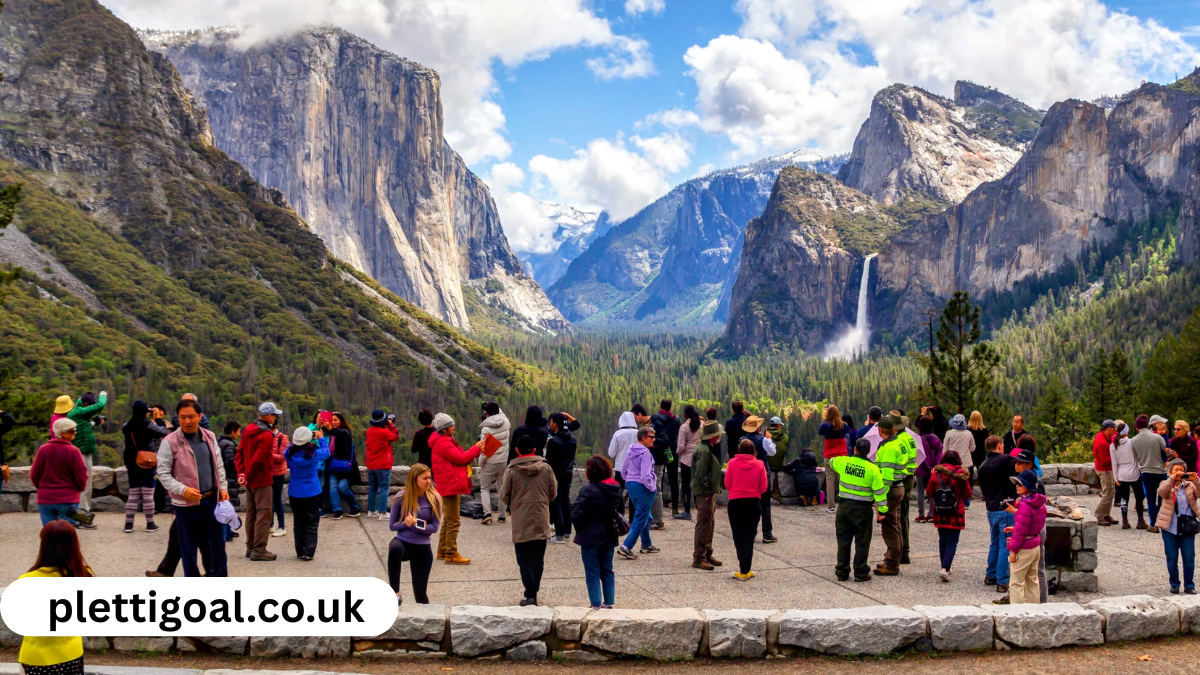
The term “Yosemite squatters” refers to reported incidents involving individuals allegedly occupying or staying unlawfully within areas of Yosemite National Park. The story quickly gained traction online due to the unusual setting—one of the United States’ most protected natural landmarks—and the broader debate it raised about land use, housing struggles, and enforcement of public land regulations.
Yosemite National Park is known for its strict conservation rules and global reputation as a natural treasure. Because of this, any disruption involving unauthorized occupation immediately attracts public and media attention. The Yosemite squatters controversy became a viral topic, not just because of the alleged illegal activity, but also due to discussions about how national parks handle enforcement, safety, and long-term visitor management.
Understanding the Yosemite Squatters Situation
The phrase “Yosemite squatters” is generally used to describe individuals who were reported to be staying in restricted or unauthorized areas of Yosemite National Park without proper permits or legal permission. In most cases, squatting refers to occupying land or property without ownership rights, but in a national park setting, it becomes a federal violation with serious consequences.
Unlike private property disputes, squatting in a national park falls under federal jurisdiction. This means that individuals cannot claim residency rights or long-term occupation in these protected areas. Yosemite is managed by the National Park Service, which enforces strict rules to preserve natural habitats, ensure visitor safety, and maintain ecological balance.
The controversy also gained attention because of how quickly the story spread on social media platforms. Some reports exaggerated the situation, while others lacked verified details. This created confusion between confirmed incidents of unauthorized camping or trespassing and the more dramatic label of “squatting.” As a result, the term “Yosemite squatters” became a catch-all phrase for different types of rule violations within the park.
Timeline and Development of the Yosemite Squatters Reports
Initial discussions about Yosemite squatters began with visitor reports and online posts claiming that certain individuals were living in restricted or non-designated areas of the park. These early reports were often anecdotal, but they quickly gained attention due to the park’s popularity and symbolic importance.
As concerns grew, park authorities reportedly began monitoring the situation more closely. Rangers and enforcement teams are responsible for ensuring compliance with park rules, including prohibitions against unauthorized camping, long-term stays, or structural occupation. In such cases, the National Park Service typically investigates and removes individuals who violate regulations.
The story escalated when media outlets and online platforms began covering the alleged incidents. Some reports focused on enforcement actions, while others emphasized public safety concerns or debated the fairness of removing individuals from public land. However, official details in such cases are often limited, as investigations and enforcement actions are handled internally by federal authorities.
Over time, the Yosemite squatters narrative evolved from isolated reports into a broader discussion about how national parks manage unauthorized presence and whether existing systems are sufficient to prevent similar situations in the future.
Legal Framework Surrounding Yosemite Squatters
Understanding the legal side of the Yosemite squatters issue requires looking at federal land laws. Yosemite National Park is federally protected land, meaning it is not subject to state property laws in the same way private land would be. Squatting, or unauthorized occupation, is considered illegal under federal regulations.
Unlike private property squatting cases, where adverse possession laws may sometimes apply after long-term occupation, such rights do not extend to national parks. The federal government maintains full authority over land use, and individuals cannot claim residency or ownership under any circumstances.
Violations in national parks can lead to fines, removal from the park, or even criminal charges depending on the severity of the offense. Activities such as building structures, long-term camping outside designated areas, or refusing to leave restricted zones are treated as serious infractions.
The Yosemite squatters controversy highlights the challenge authorities face in balancing public access with strict preservation rules. While national parks are open to visitors, they are not intended for permanent or semi-permanent habitation. This distinction is central to understanding why enforcement actions are taken quickly when unauthorized occupation is suspected.
Impact of the Yosemite Squatters Controversy on the Park
The Yosemite squatters discussion has had several indirect effects on public perception of the park. One of the most immediate impacts was increased attention from visitors and media outlets, which placed additional scrutiny on park management and enforcement practices.
From a visitor experience perspective, reports of unauthorized occupation can raise concerns about safety and rule enforcement. National parks rely heavily on maintaining a sense of order and security to ensure that millions of annual visitors can enjoy the environment without disruption. Any suggestion of rule violations can affect public confidence, even if the actual incidents are limited or isolated.
Environmental concerns are also an important part of the discussion. Unauthorized occupation can potentially lead to damage to natural habitats, improper waste disposal, and disruption of wildlife. Yosemite is a carefully protected ecosystem, and even small disturbances can have long-term consequences.
Economically, Yosemite remains a major tourism destination, and controversies like this can temporarily influence visitor perceptions. However, the park’s global reputation and ongoing conservation efforts typically help maintain strong tourism levels despite occasional incidents.
Public Reaction and Media Coverage
The Yosemite squatters story gained significant traction online, with social media playing a major role in spreading awareness. However, the rapid spread of information also led to confusion, as not all posts were based on verified facts. Some content exaggerated the scale of the issue, while other reports focused on isolated incidents without broader context.
Traditional media outlets tended to take a more cautious approach, often emphasizing official statements and verified enforcement actions. Even so, differences in reporting created multiple versions of the story, contributing to public debate and speculation.
Public reactions were mixed. Some individuals expressed concern about law enforcement and park safety, while others raised broader social issues such as housing insecurity and economic hardship. This led to discussions about whether squatting in remote or public areas reflects deeper societal challenges.
Experts and officials generally emphasized that regardless of social or economic context, national park regulations must be enforced to protect both visitors and the environment.
Conclusion: What the Yosemite Squatters Story Really Reveals
The Yosemite squatters controversy is more than just a story about unauthorized occupation—it reflects the complex balance between public land access, legal enforcement, and environmental protection. While national parks are meant to be enjoyed by everyone, they also require strict rules to preserve their natural and cultural value.
This incident highlights the importance of clear regulations and effective enforcement in managing protected areas like Yosemite. It also shows how quickly misinformation can spread online, shaping public perception before all facts are confirmed.
Ultimately, the Yosemite squatters discussion serves as a reminder that preserving national treasures requires cooperation between visitors, authorities, and the public.
You read: Costco Pies
