


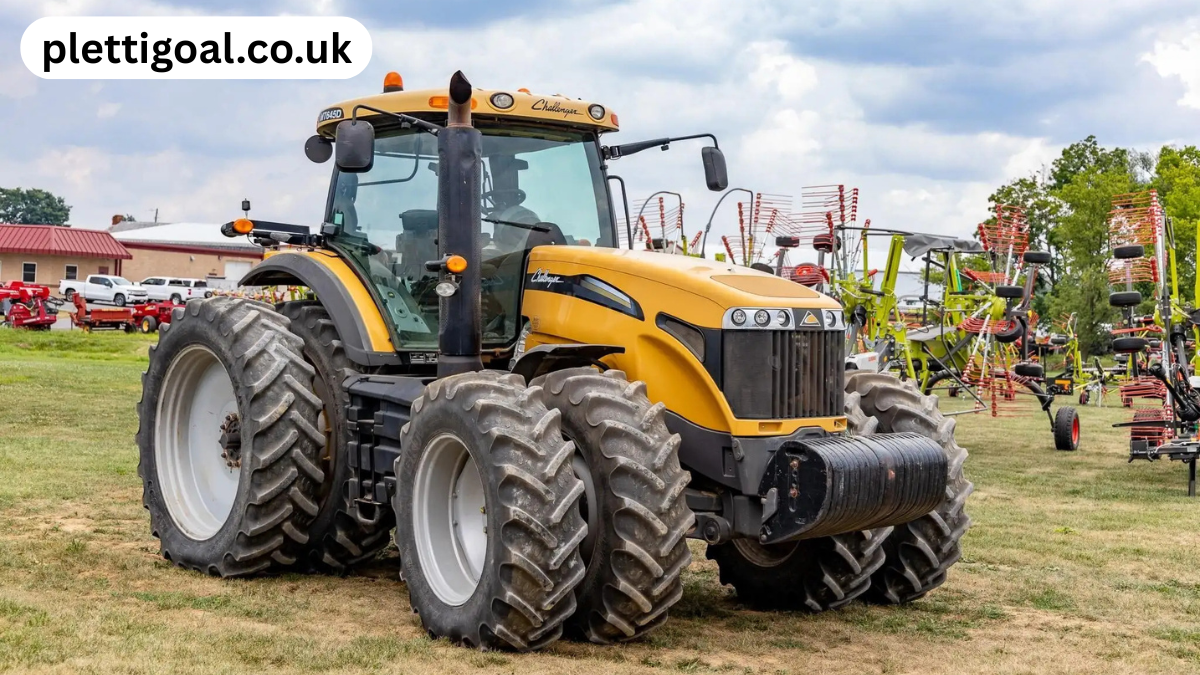
Challenger tractors are widely recognized as powerful, innovative, and highly efficient agricultural machines designed for modern large-scale farming. Built to handle demanding field conditions, these tractors are engineered with advanced technology that supports productivity, durability, and fuel efficiency. Over the years, the Challenger brand has become synonymous with heavy-duty performance, especially in commercial farming operations where reliability is critical. Farmers around the world trust these machines for their ability to perform consistently under pressure, whether it involves plowing, planting, or harvesting across vast agricultural lands.
The evolution of Challenger tractors reflects the transformation of agriculture itself. As farming has shifted toward mechanization and precision-based techniques, Challenger has consistently adapted by integrating smart systems and high-powered engineering solutions. From their early models to the latest advanced versions, these tractors have maintained a strong reputation for innovation. Today, they are not just machines but essential farming tools that help increase efficiency, reduce manual labor, and maximize crop yields in a competitive agricultural industry.
Challenger Tractors Models and Product Range
Challenger tractors come in a diverse range of models designed to meet the needs of different types of farming operations. From compact utility tractors suitable for smaller farms to high-horsepower machines built for industrial-scale agriculture, the brand offers a complete lineup. Each model is carefully engineered to balance power, performance, and efficiency. The mid-range tractors are particularly popular among medium-sized farms, offering a perfect blend of affordability and capability without compromising on essential features.
At the higher end of the spectrum, Challenger’s heavy-duty tractors are designed for large commercial farms that require maximum productivity. These machines are equipped with powerful engines, advanced transmission systems, and enhanced traction control. They are capable of handling tough terrains and heavy workloads with ease. The variety within the Challenger lineup ensures that farmers can select a model tailored specifically to their land size, crop type, and operational requirements, making it a versatile choice in the agricultural machinery market.
Features, Technology, and Engineering Excellence
One of the standout qualities of Challenger tractors is their advanced engineering and cutting-edge technology. These tractors are built with high-performance engines that deliver exceptional horsepower while maintaining fuel efficiency. The incorporation of precision farming technologies such as GPS guidance systems allows farmers to optimize field operations, reduce waste, and improve accuracy. This technological integration plays a crucial role in modern agriculture, where efficiency and precision directly impact profitability.
In addition to smart technology, Challenger tractors are known for their unique track-driven systems in many models. Unlike traditional wheeled tractors, track systems provide better traction, reduced soil compaction, and improved stability on uneven terrain. The operator cabins are also designed with comfort and functionality in mind, featuring ergonomic seating, climate control, and user-friendly controls. These enhancements ensure that long working hours in the field are less tiring, ultimately improving productivity and reducing operator fatigue.
Performance in Real-World Farming Applications
In real-world farming conditions, Challenger tractors demonstrate exceptional performance across a wide range of agricultural tasks. Whether used for soil preparation, planting, or harvesting, these tractors consistently deliver high efficiency and reliable output. Their powerful engines and advanced hydraulics allow them to handle heavy implements with ease, making them ideal for large-scale farming operations. Farmers often rely on them during peak seasons when timely fieldwork is critical for maximizing crop yields.
Another major advantage of Challenger tractors is their adaptability to different environments. From dry, dusty fields to wet and muddy terrain, these machines maintain stable performance due to their advanced traction systems. Compared to many other brands, Challenger tractors are known for their ability to reduce downtime and increase operational efficiency. This makes them a valuable investment for farmers who prioritize long-term productivity and cost-effectiveness in their agricultural operations.
Maintenance, Reliability, and Operating Costs
Maintenance plays a key role in ensuring the long-term performance of Challenger tractors. Fortunately, these machines are designed with durability in mind, requiring only routine servicing to maintain optimal functionality. Regular oil changes, filter replacements, and system inspections help keep the engine and hydraulic systems running smoothly. With proper maintenance, these tractors can deliver years of reliable service, making them a dependable choice for farmers.
In terms of operating costs, Challenger tractors are considered relatively efficient for their class. Their fuel-efficient engines help reduce daily operational expenses, while their strong build quality minimizes the need for frequent repairs. However, like any heavy machinery, spare parts and specialized servicing can be costly. Despite this, many farmers view Challenger tractors as a long-term investment due to their durability, reduced downtime, and consistent performance in demanding agricultural environments.
Buying Guide for Challenger Tractors
When purchasing a Challenger tractor, several important factors should be considered to ensure the right investment. Farm size, crop type, and workload requirements all play a significant role in selecting the appropriate model. Smaller farms may benefit from compact or mid-range tractors, while large commercial operations often require high-horsepower machines capable of handling extensive fieldwork efficiently. Understanding these needs helps buyers make informed decisions that align with their agricultural goals.
Budget is another critical consideration when buying a Challenger tractor. Prices vary depending on model size, features, and technology integration. Farmers should also explore financing options, warranty coverage, and after-sales service availability before making a purchase. Additionally, choosing between new and used tractors can significantly impact cost-effectiveness. A well-maintained used model may offer excellent value, while a new model provides the latest features and full manufacturer support.
Advantages and Limitations of Challenger Tractors
Challenger tractors offer several notable advantages that make them a preferred choice among professional farmers. Their powerful engines, advanced technology, and durable construction allow them to perform efficiently in challenging agricultural environments. The use of track systems in many models also enhances traction and reduces soil damage, which is a major benefit for long-term soil health. These strengths make Challenger tractors highly suitable for large-scale and commercial farming operations.
However, there are also some limitations to consider. The initial purchase cost of Challenger tractors can be relatively high compared to some competing brands, which may not be suitable for small-scale farmers. Additionally, maintenance and repair services may require specialized technicians, which can sometimes increase operational costs. Despite these drawbacks, the overall performance and long-term benefits often outweigh the limitations for serious agricultural professionals.
Future of Challenger Tractors in Modern Agriculture
The future of Challenger tractors is closely tied to the advancement of smart farming and automation technologies. As agriculture continues to evolve, these tractors are expected to incorporate even more sophisticated systems, including artificial intelligence, autonomous driving capabilities, and enhanced precision agriculture tools. These innovations will further improve efficiency, reduce labor dependency, and optimize farming outputs.
Sustainability is also becoming a major focus in modern agricultural machinery development. Future Challenger tractors are likely to feature improved fuel efficiency, reduced emissions, and environmentally friendly engineering solutions. As global demand for food production increases, the role of advanced tractors like Challenger will become even more critical in supporting efficient and sustainable farming practices worldwide.
Conclusion
Challenger tractors stand out as powerful, reliable, and technologically advanced machines that play a vital role in modern agriculture. Their ability to combine strength with precision makes them a valuable asset for farmers operating in diverse conditions. From small-scale farming needs to large commercial agricultural operations, these tractors offer flexibility, durability, and efficiency that are hard to match.
Overall, investing in a Challenger tractor means investing in long-term productivity and agricultural success. While they may require a higher initial cost, their performance, durability, and advanced features make them a worthwhile choice for farmers who aim to maximize output and efficiency. As farming continues to modernize, Challenger tractors are expected to remain at the forefront of innovation and agricultural excellence.
